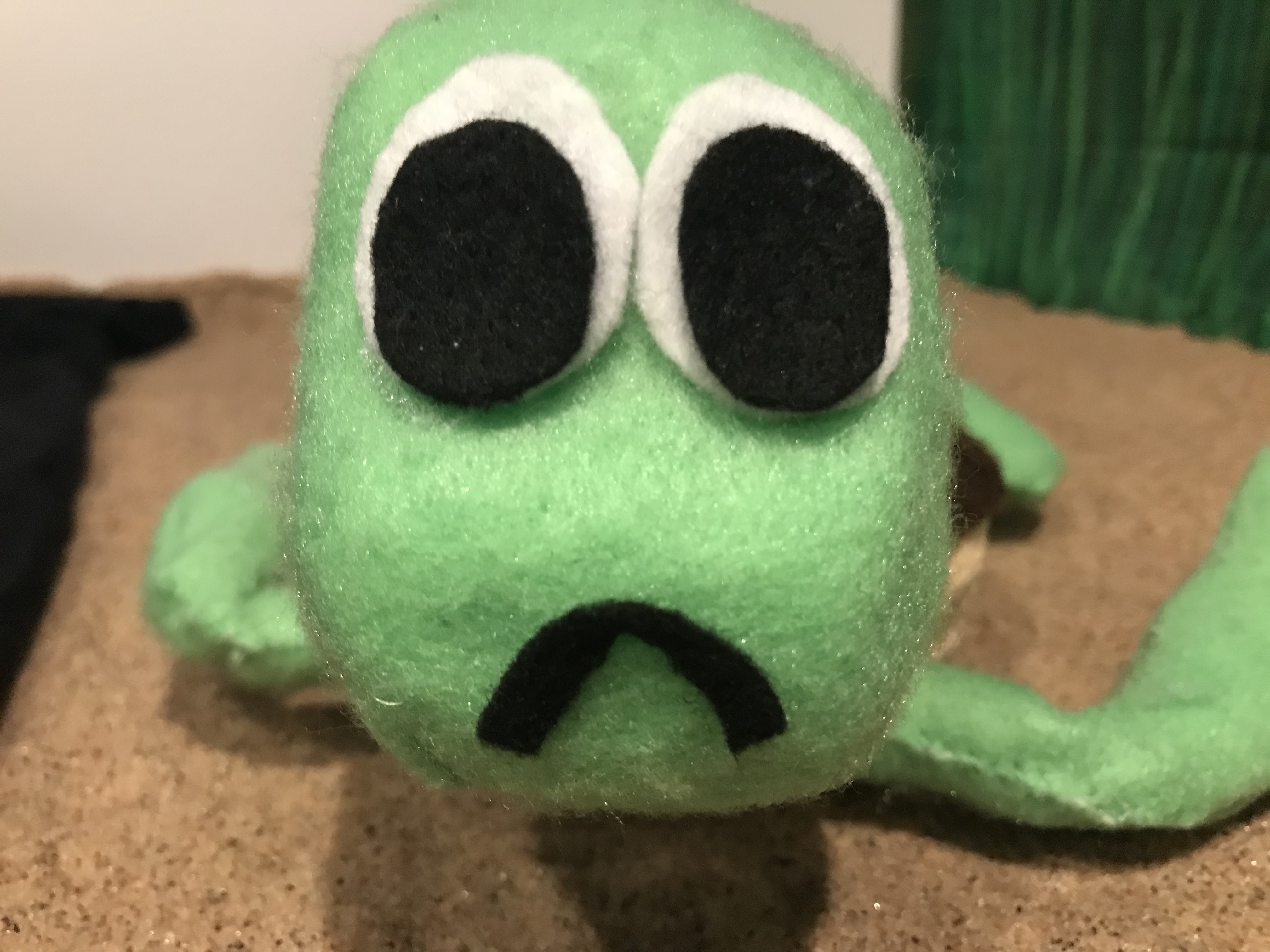
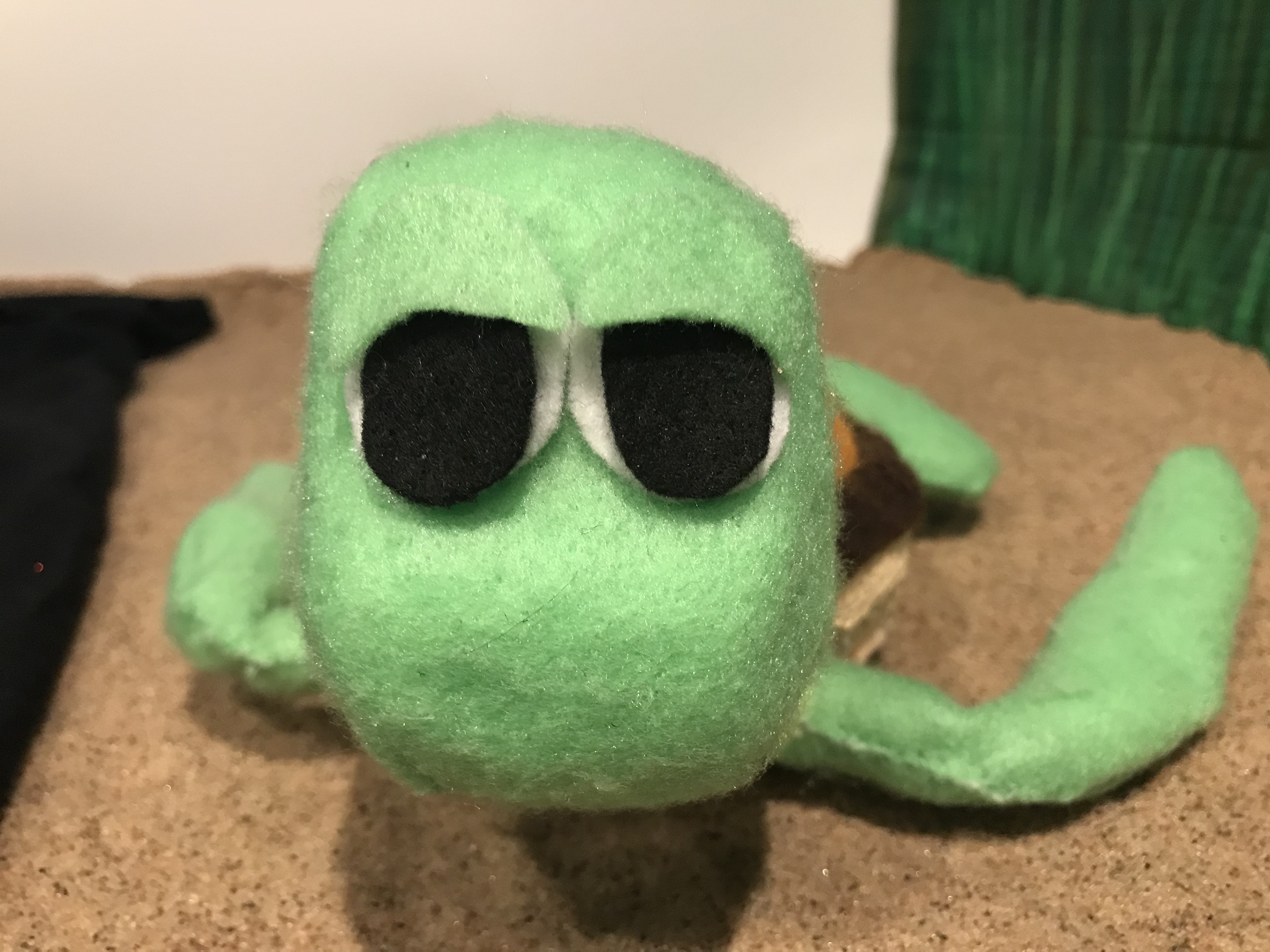
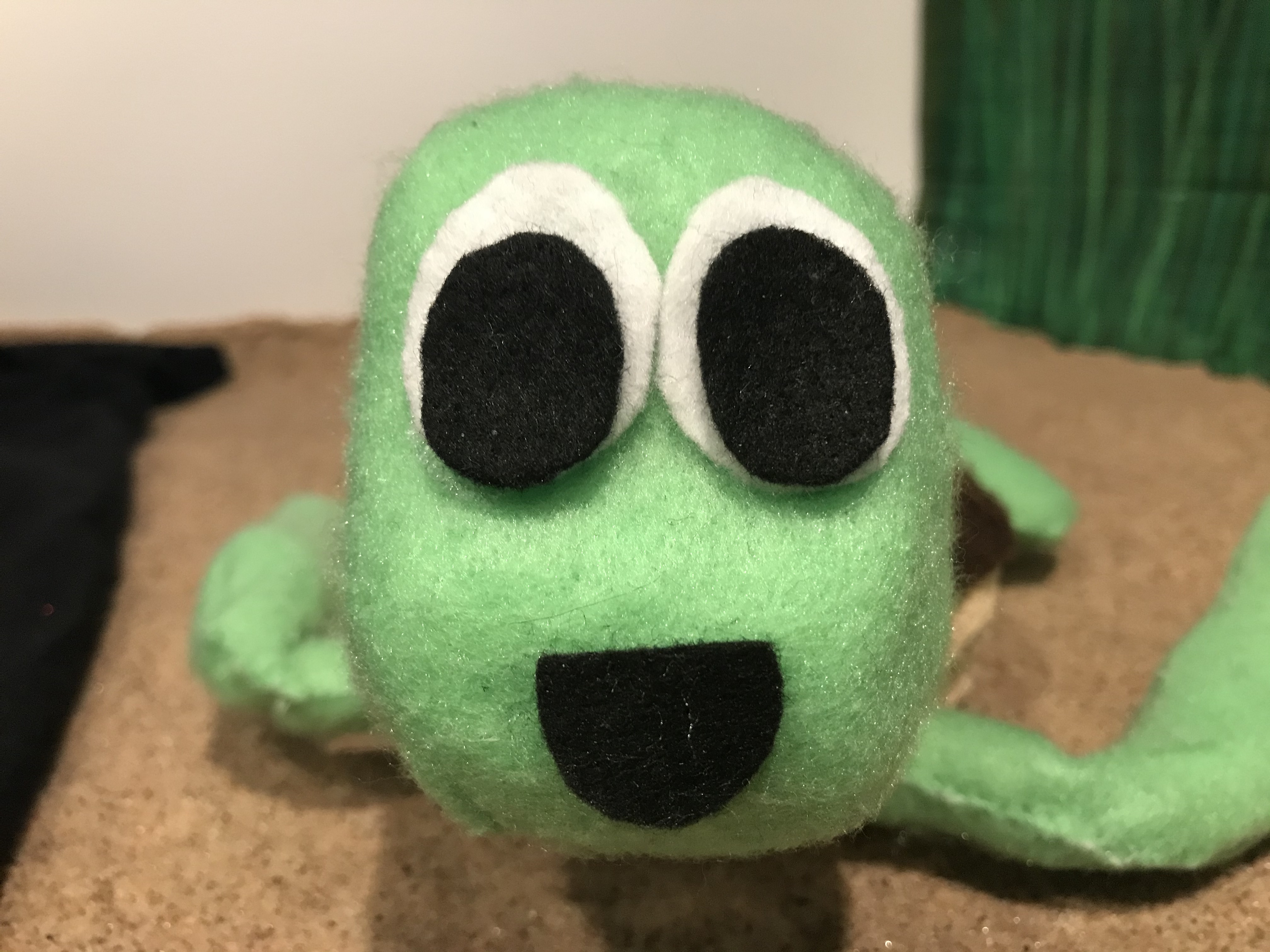
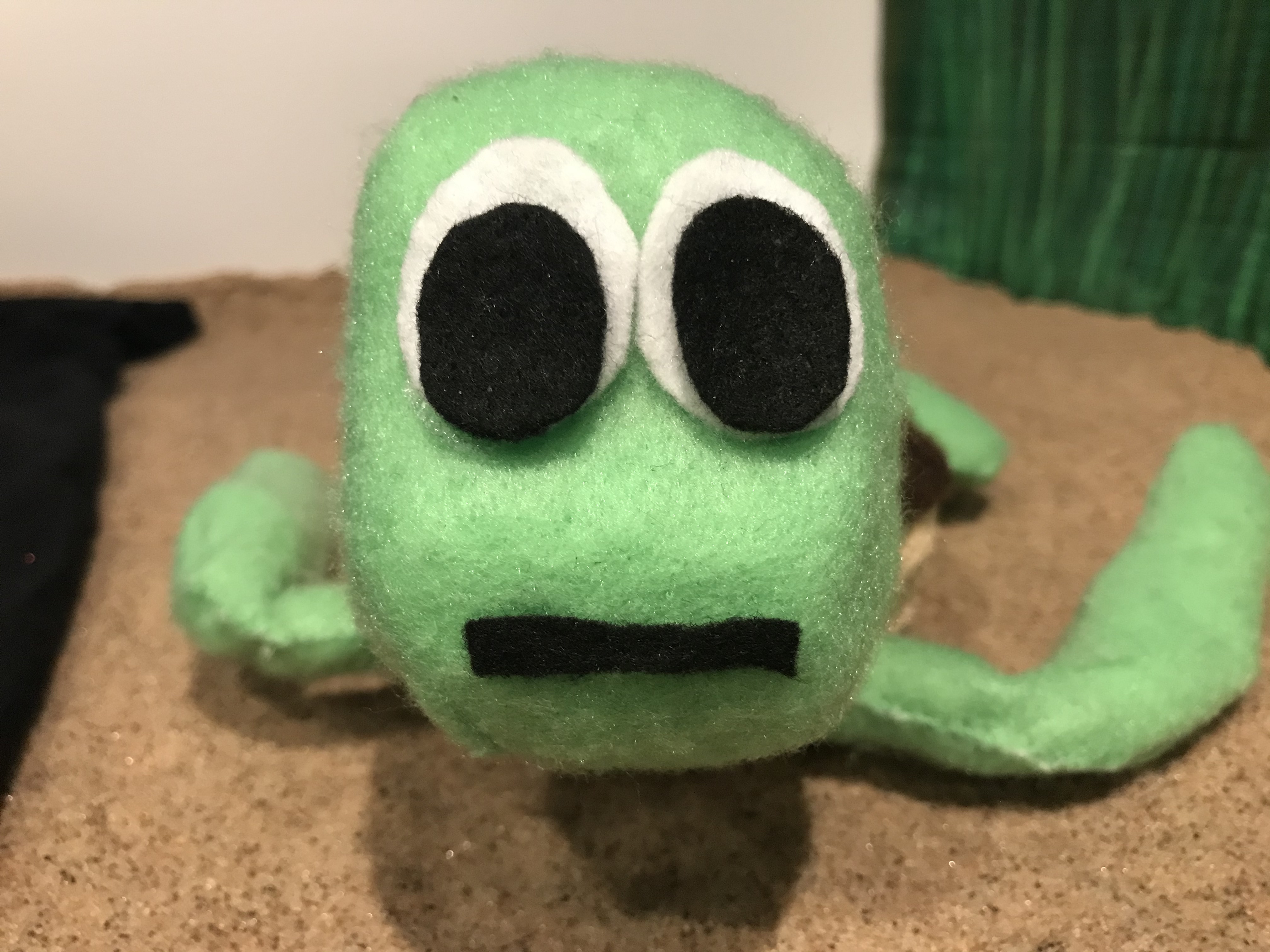
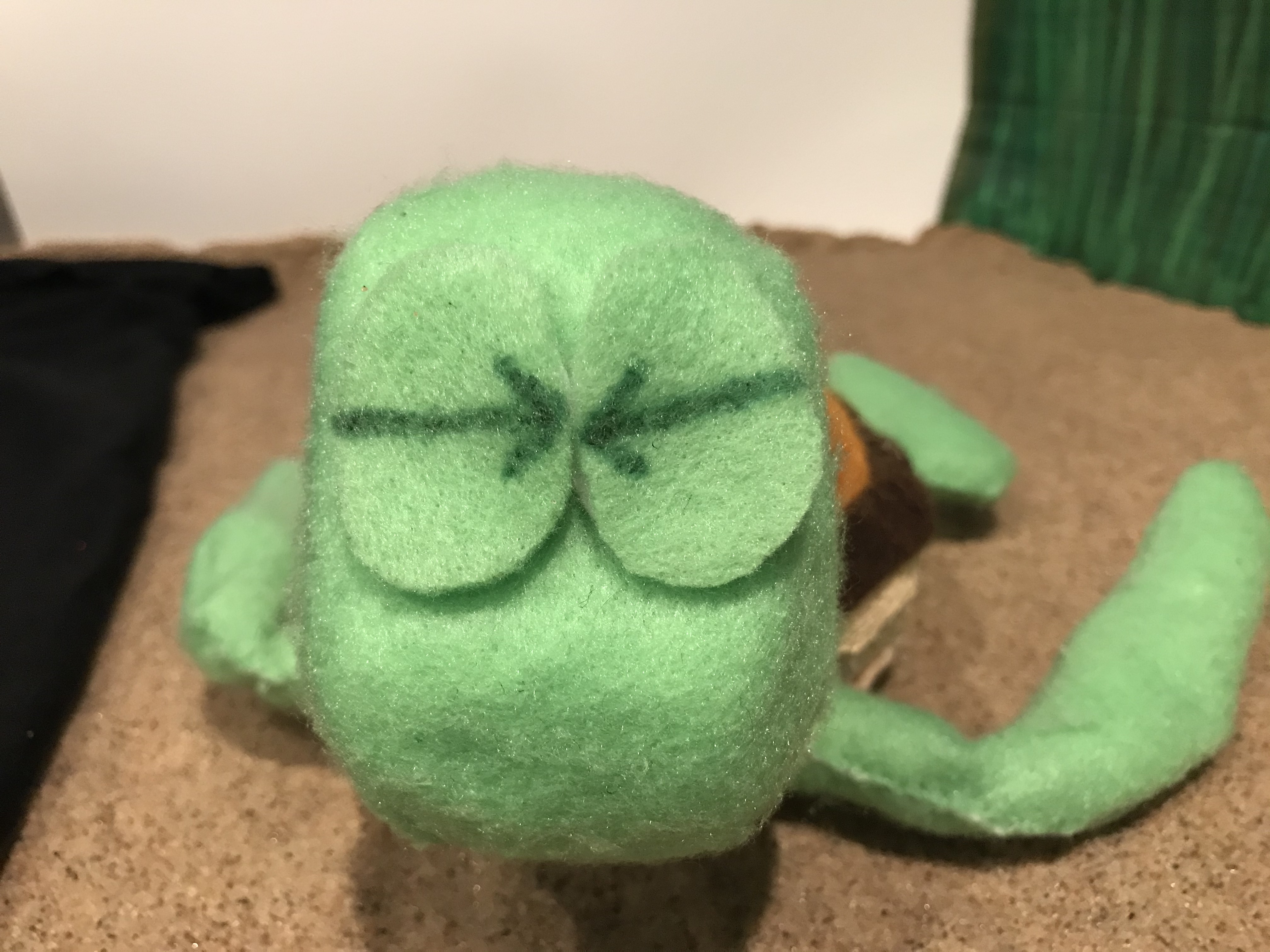
Test Shots 5

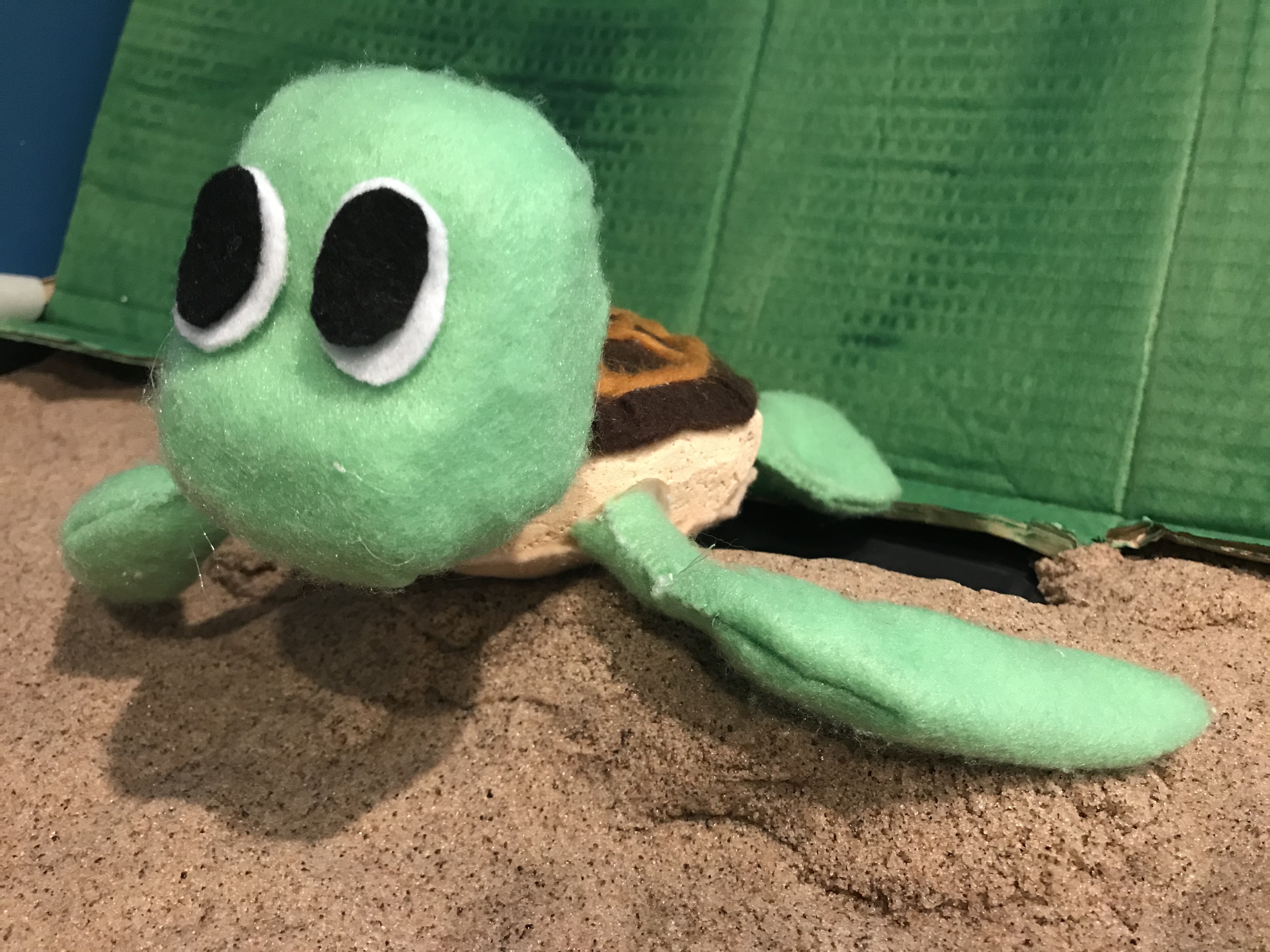
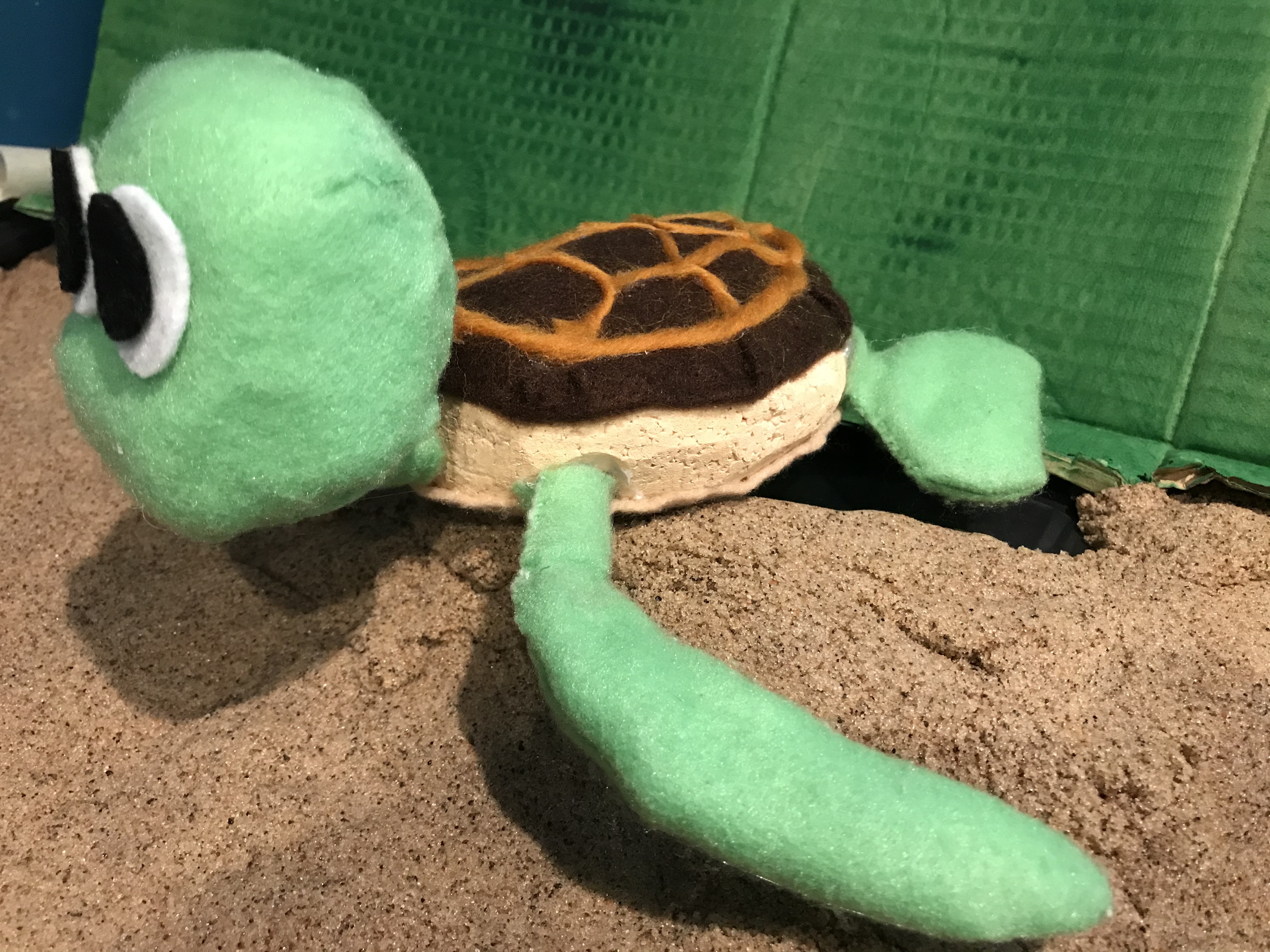
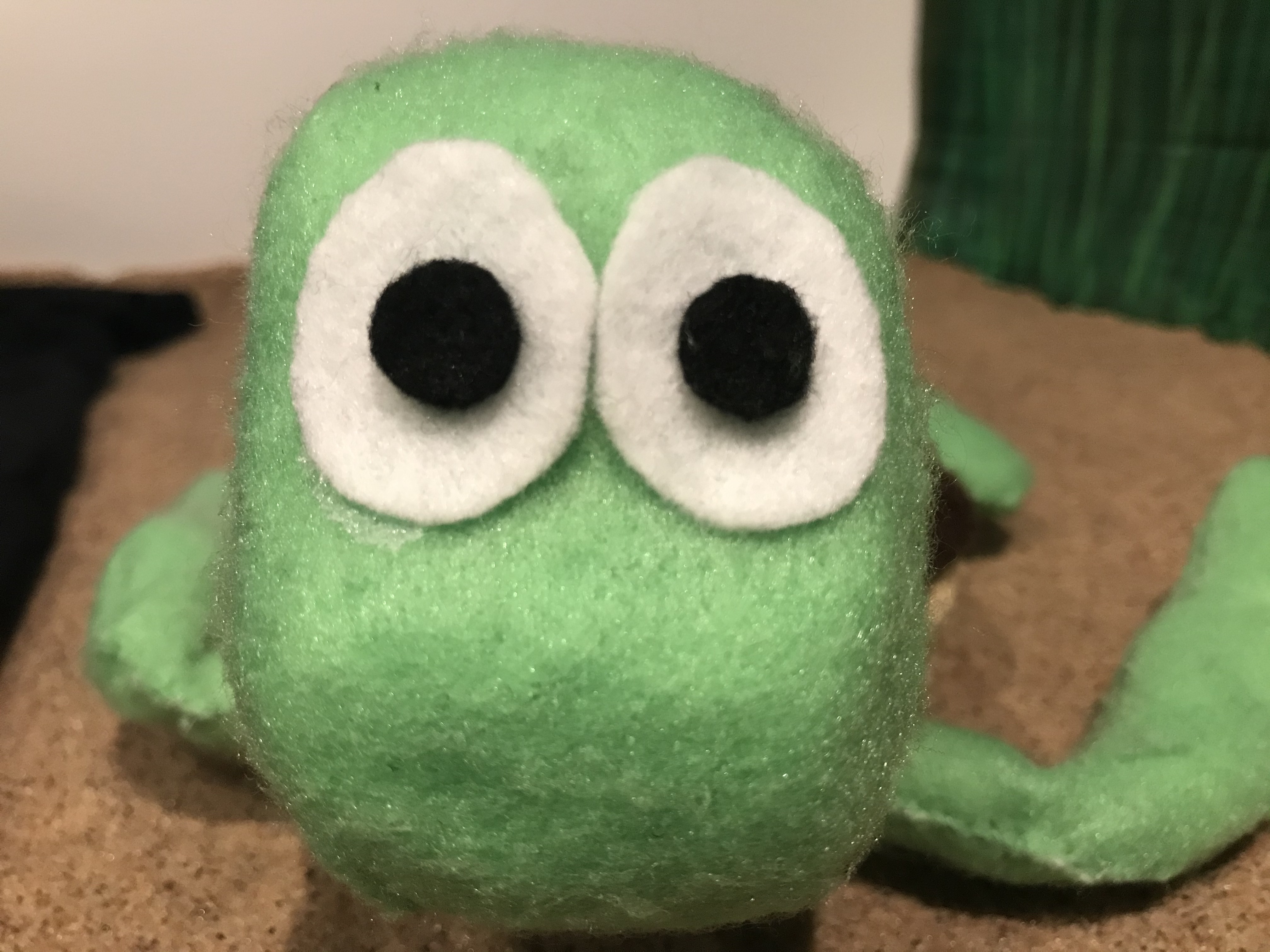
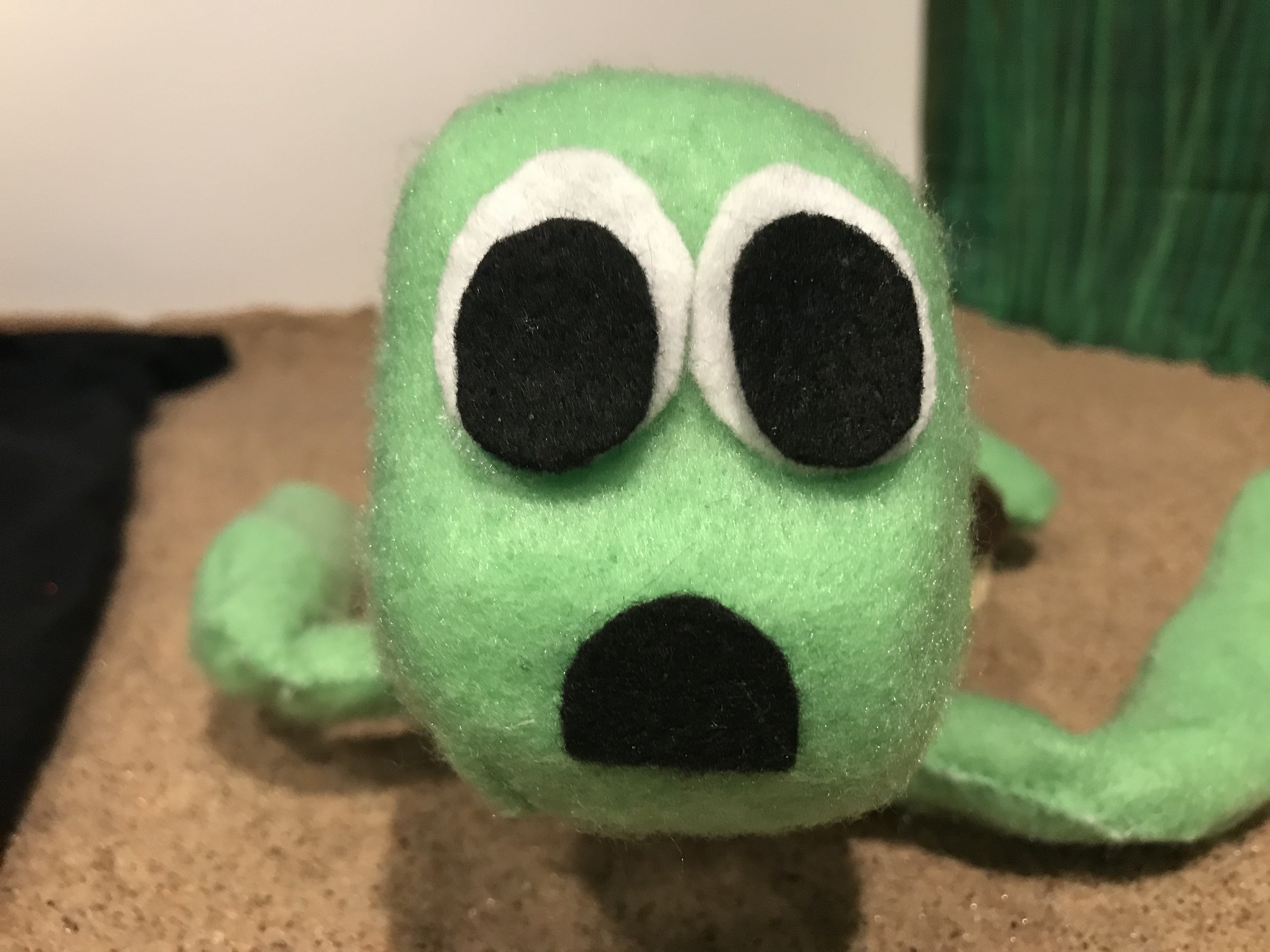
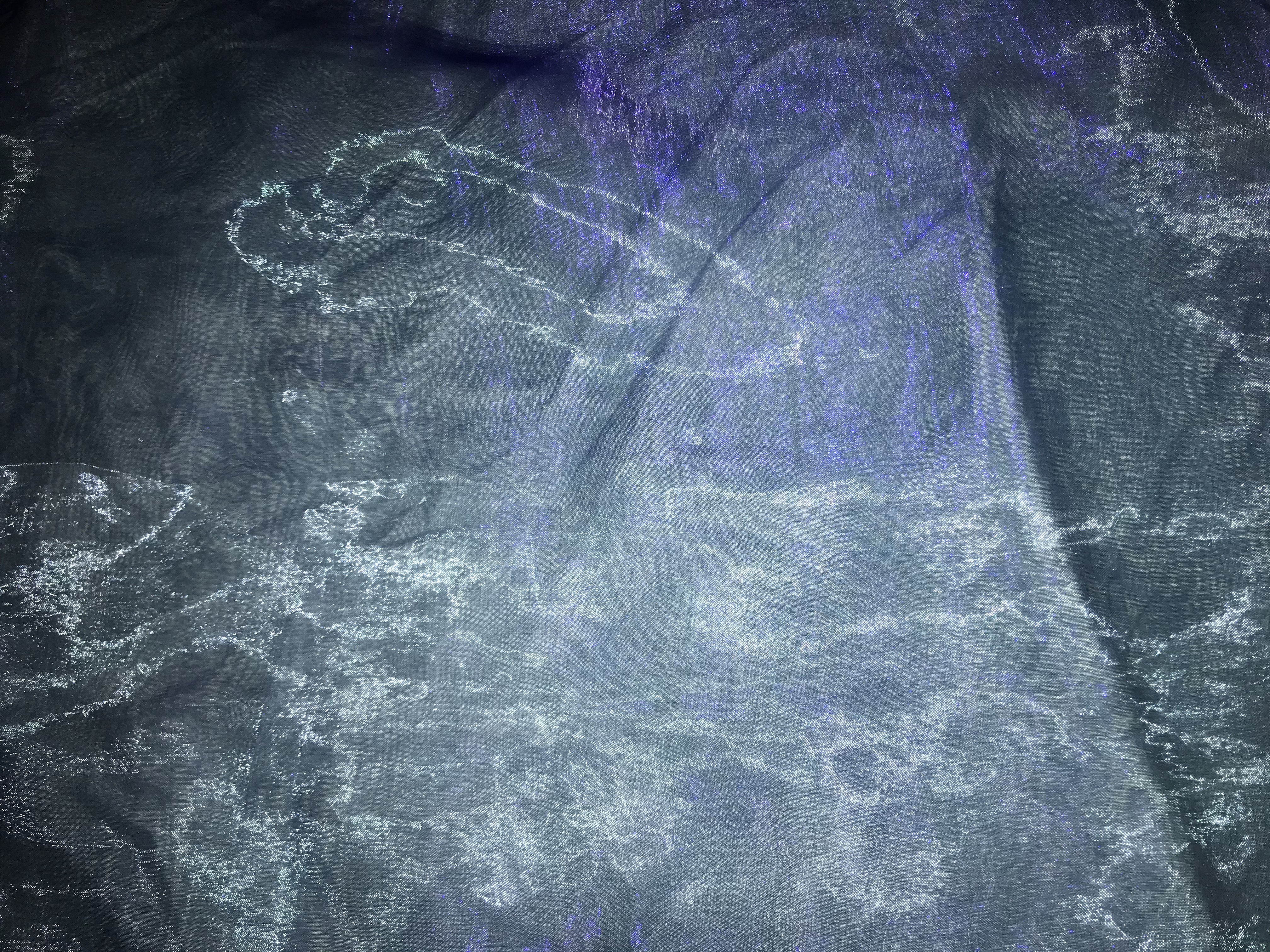
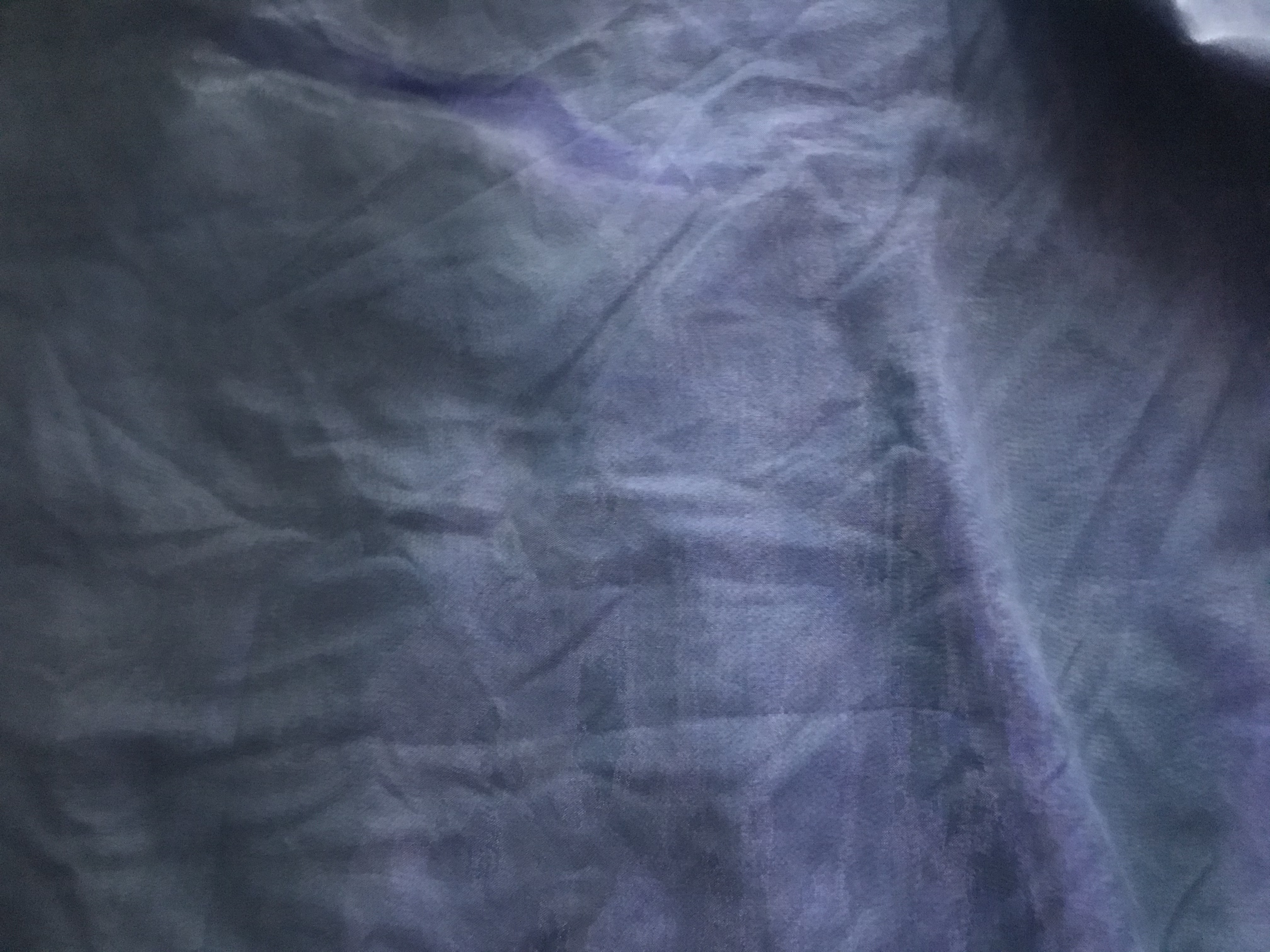
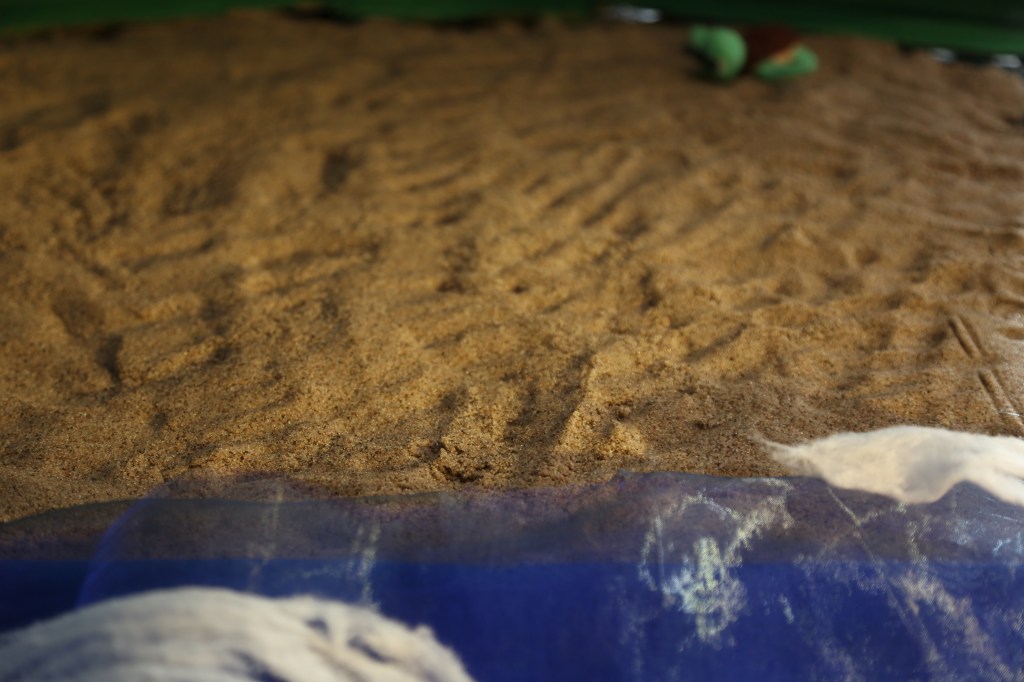
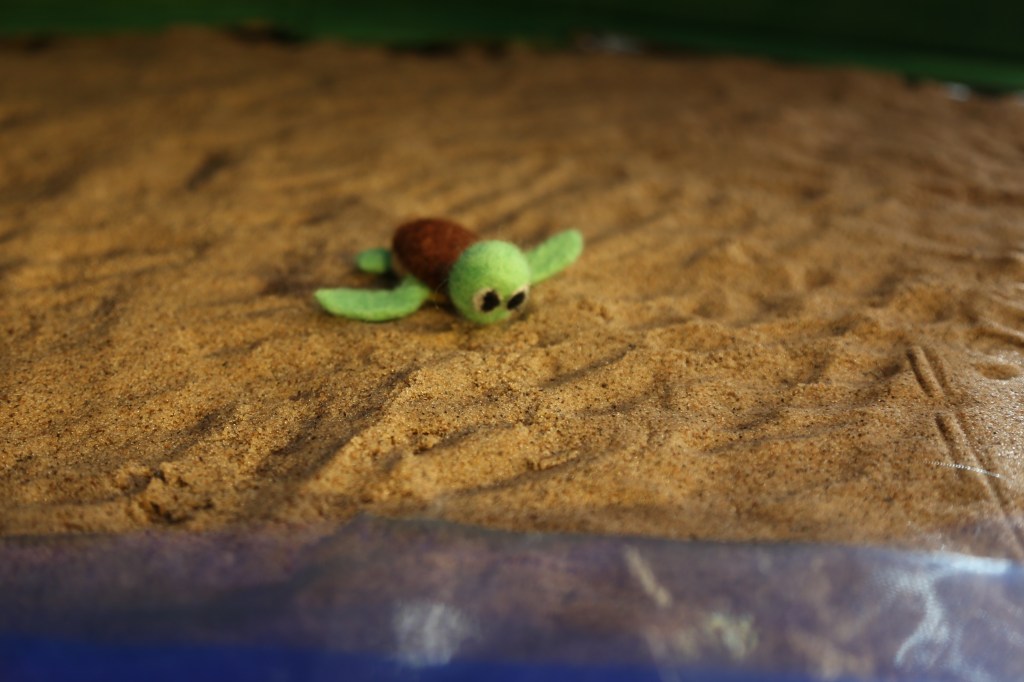
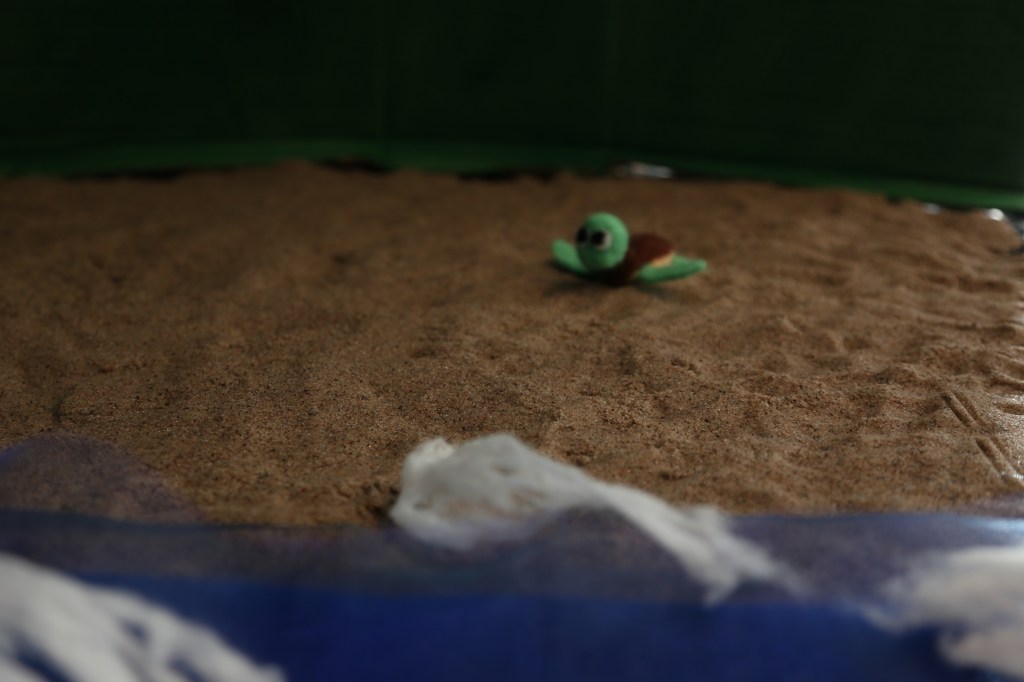
These are test shots of the scene where the “oil spill” eventually consumes the turtle and implies that it kills him. This scene was fairly had as it was difficult to keep the black material steady enough and to hold it over the turtle to make sure it covers it – “consuming” it. This was also difficult as there were issues with shadows and lighting and random flashes.
Test Shots 4

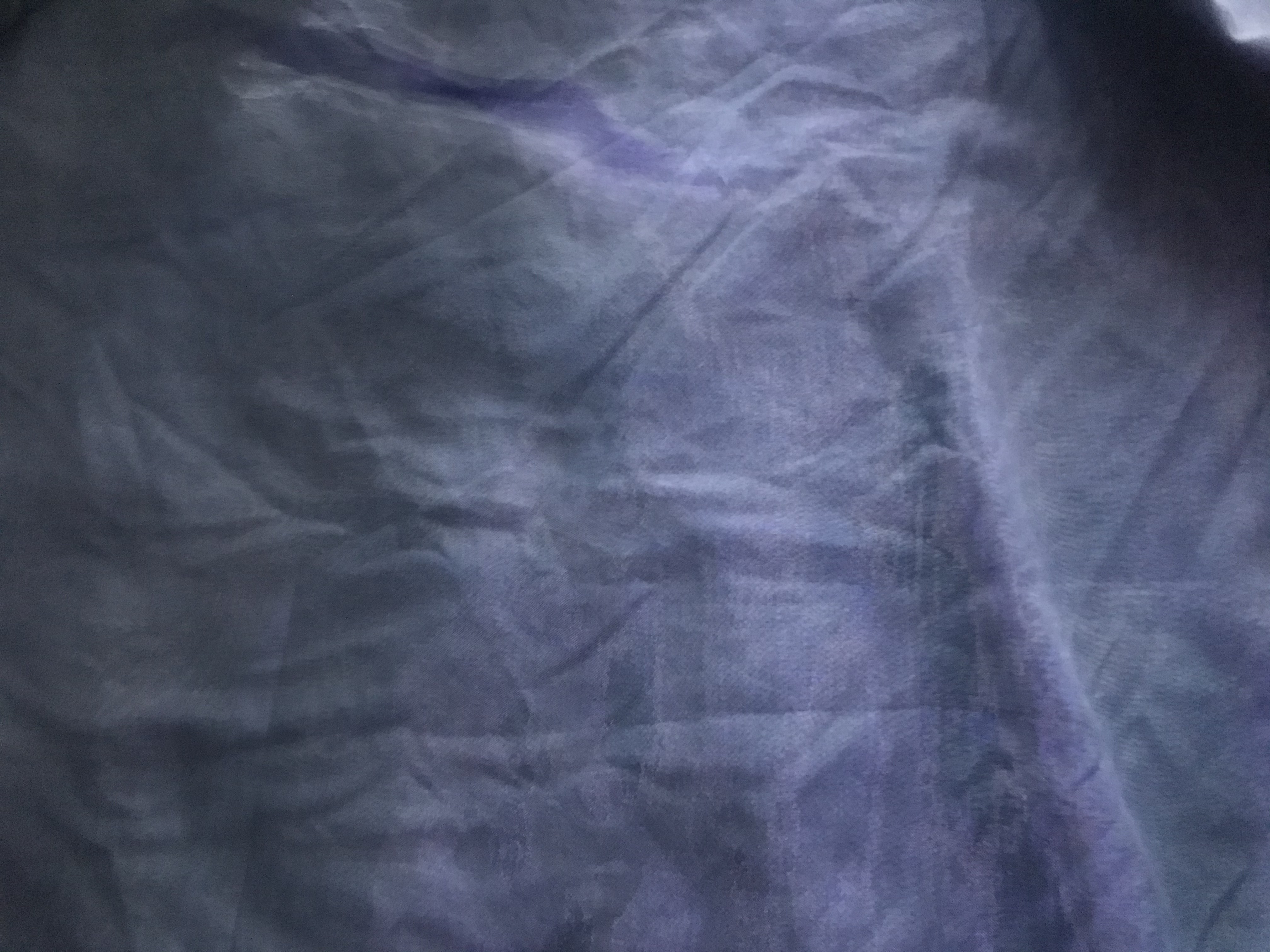
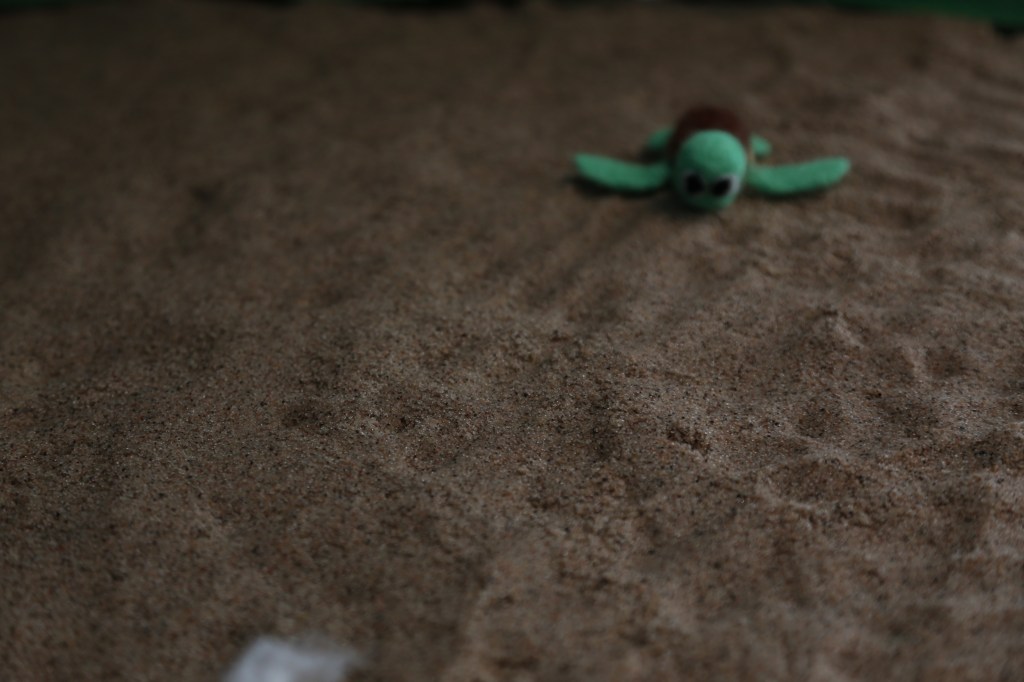
These are some test shots of the underwater close up scene, capturing the moment that the turtle notices something in the corner of his eye – an oil spill slowly taking over the ocean and soon makes its way to consume the turtle.

I had experimented with using various materials to use for the “oil spill”; I had originally thought to use a black bin bag however opted for using a plain black scarf. The scarf seemed to work better as it fit in well with the fabric and soft aesthetics of the film. However, in the end I had decided to just digitally in TV Paint create the oil spill there using the textured brushes.

Experiment

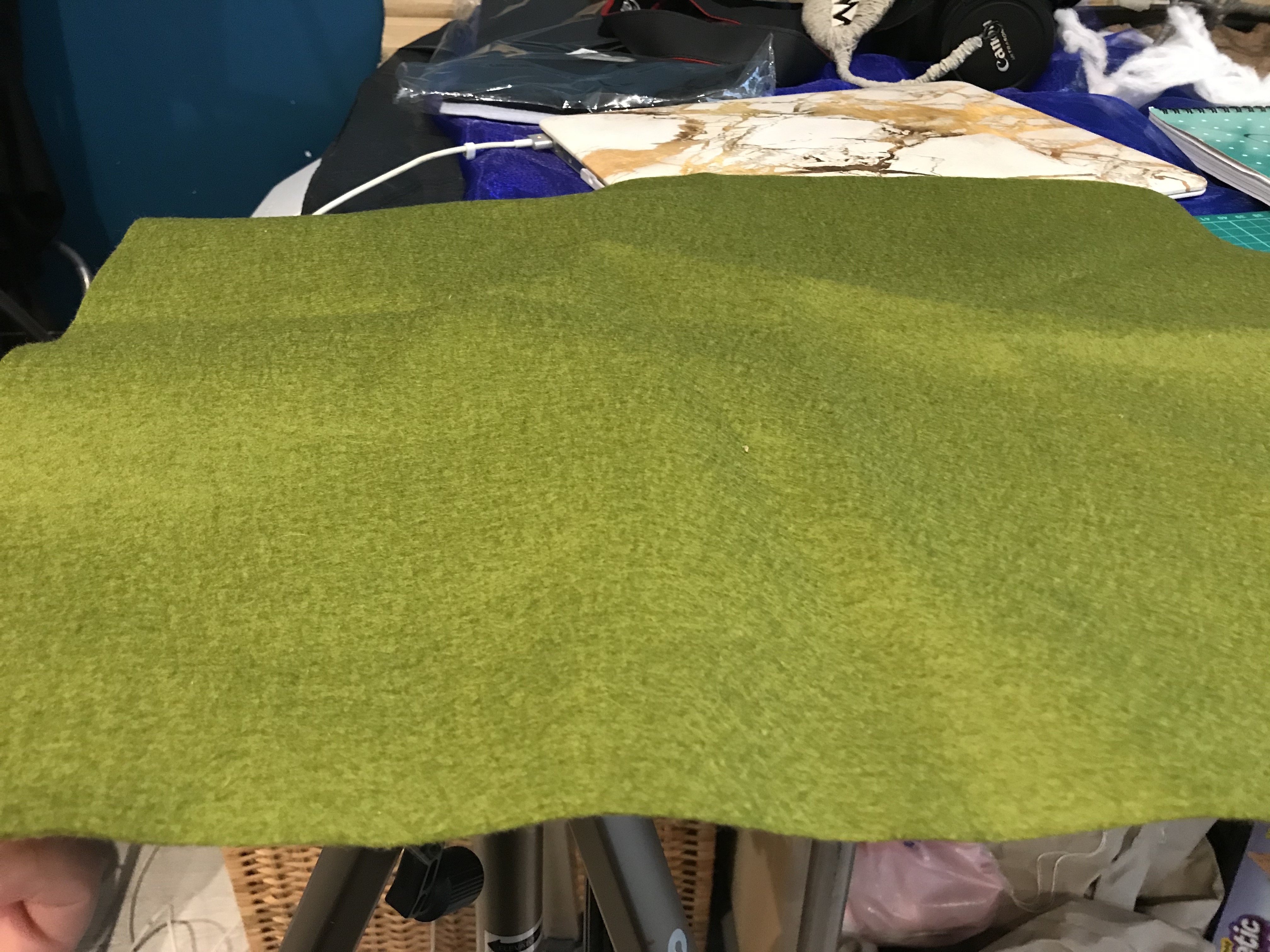
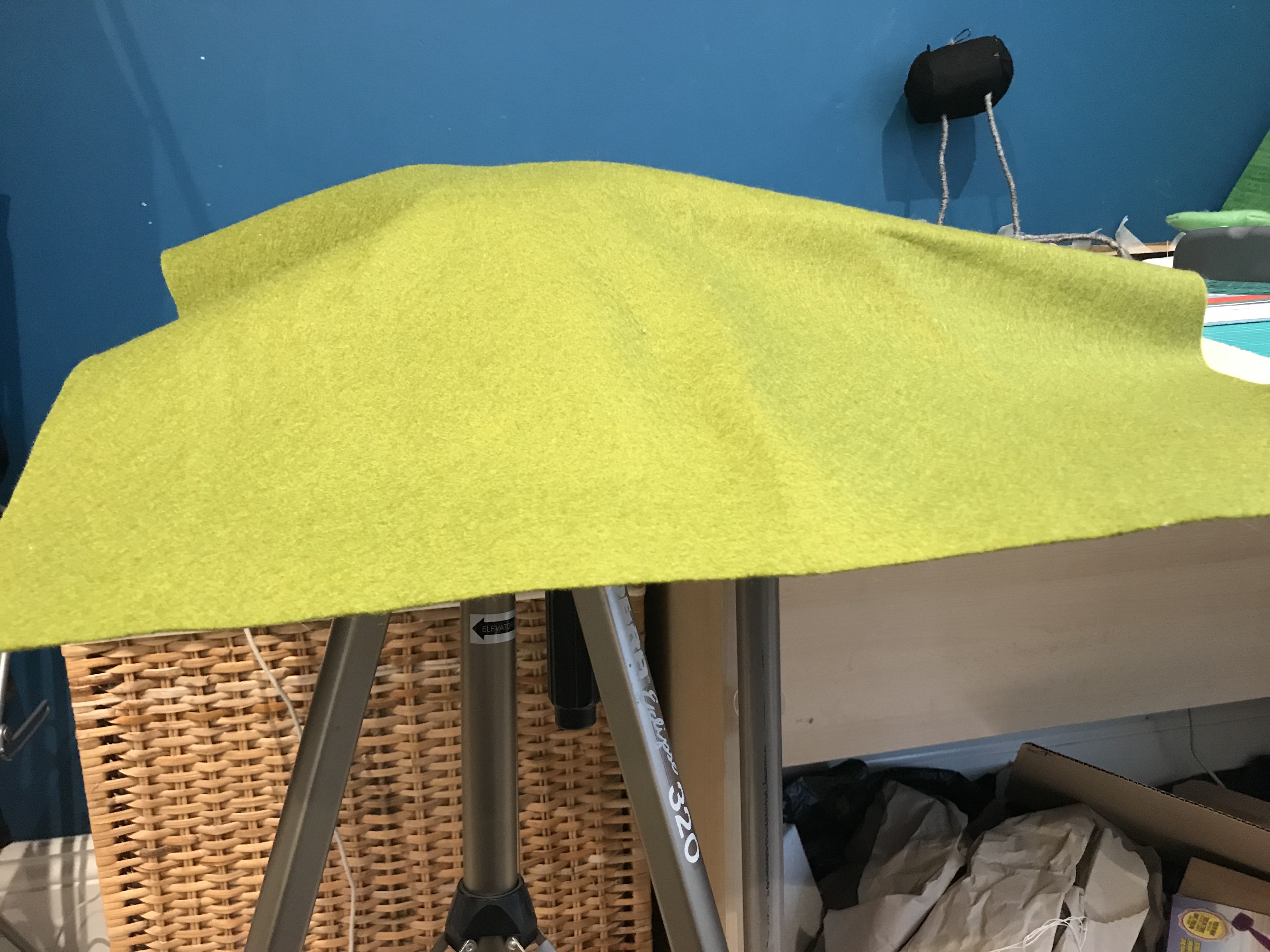
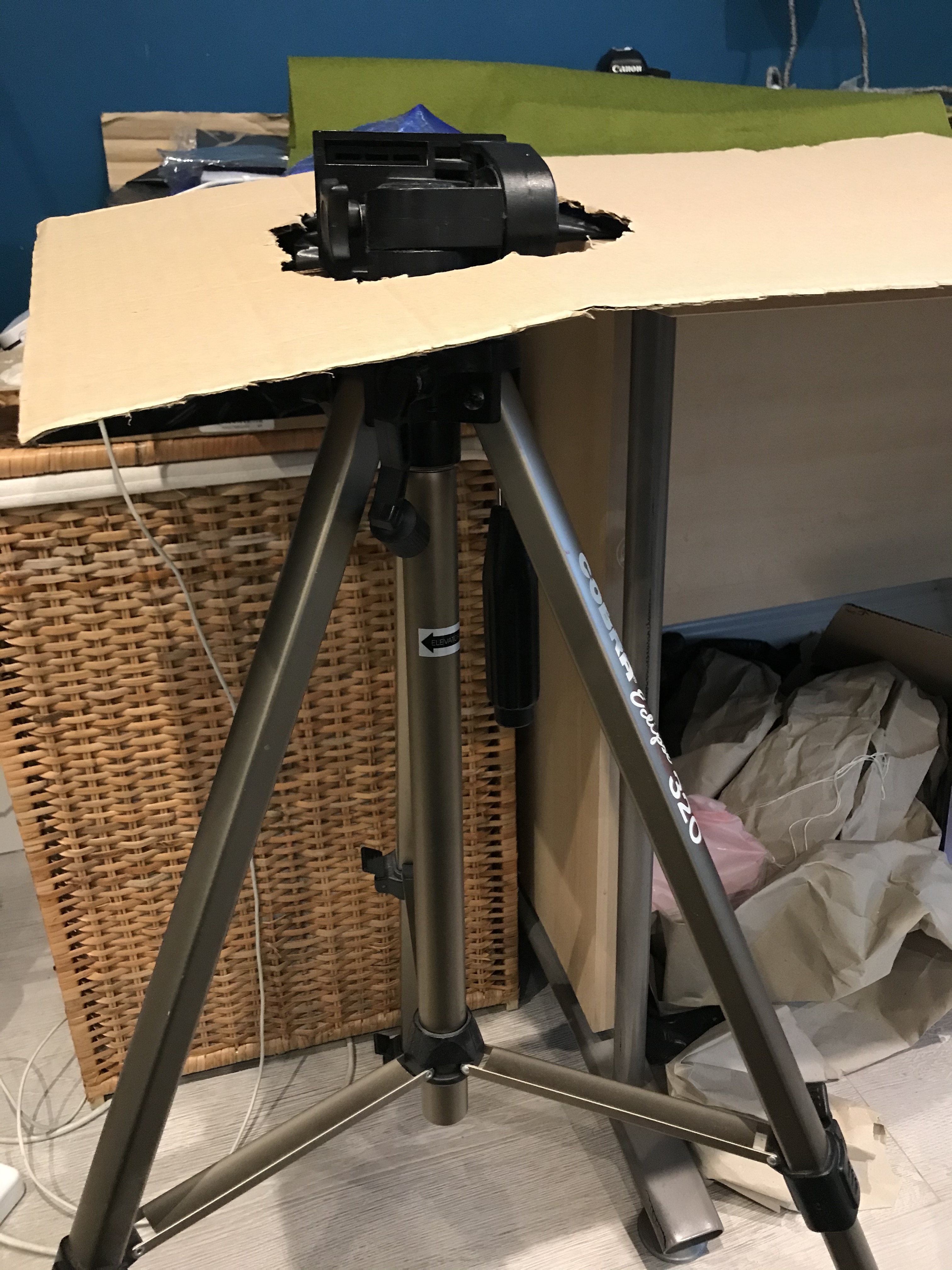
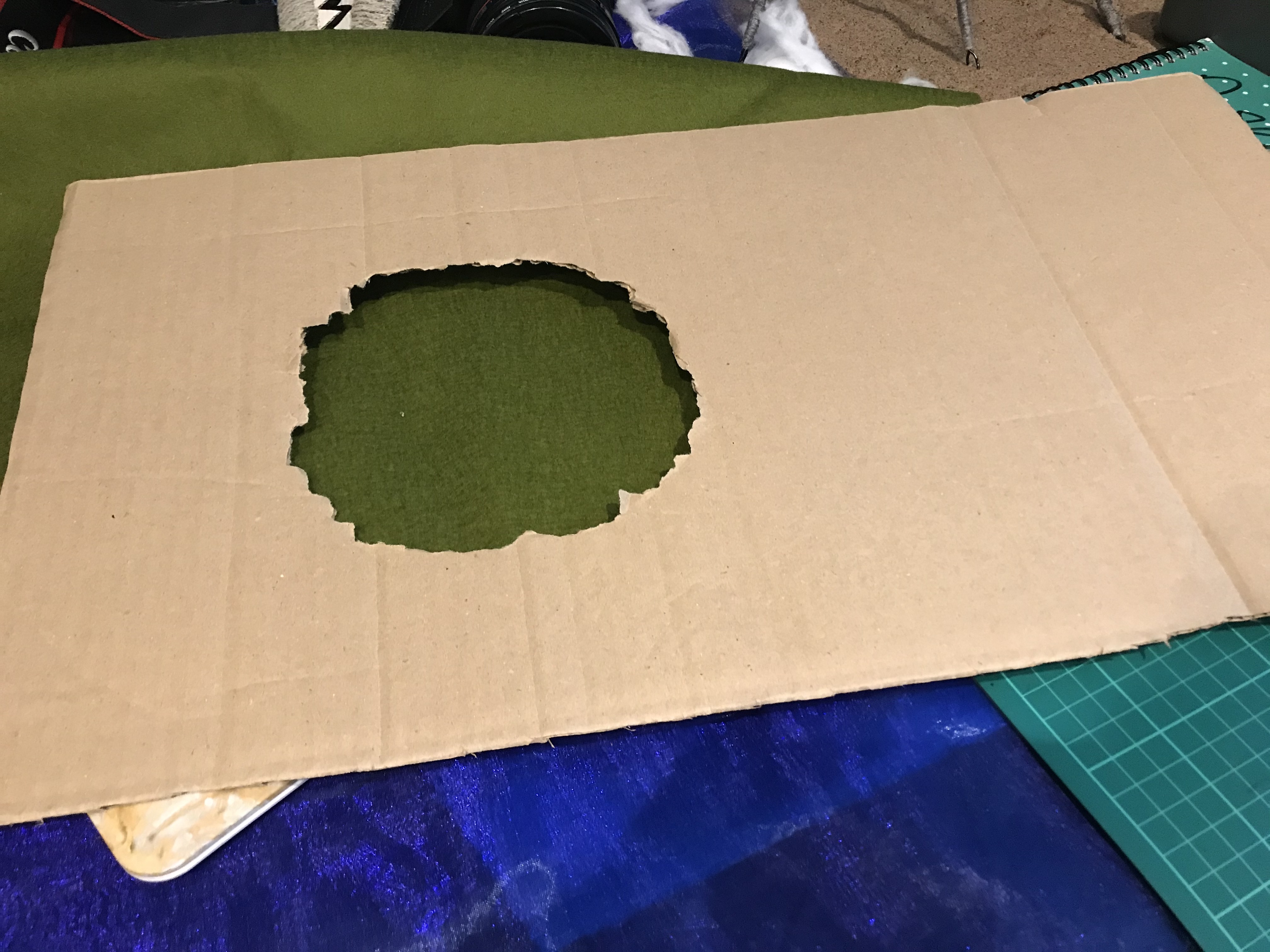
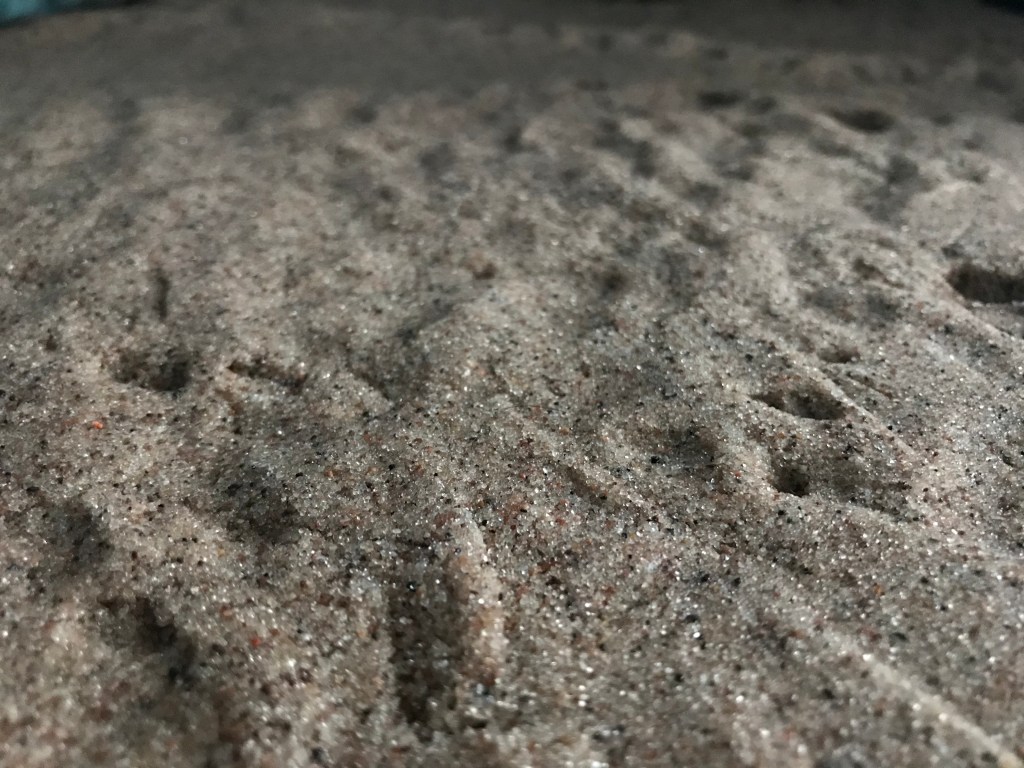
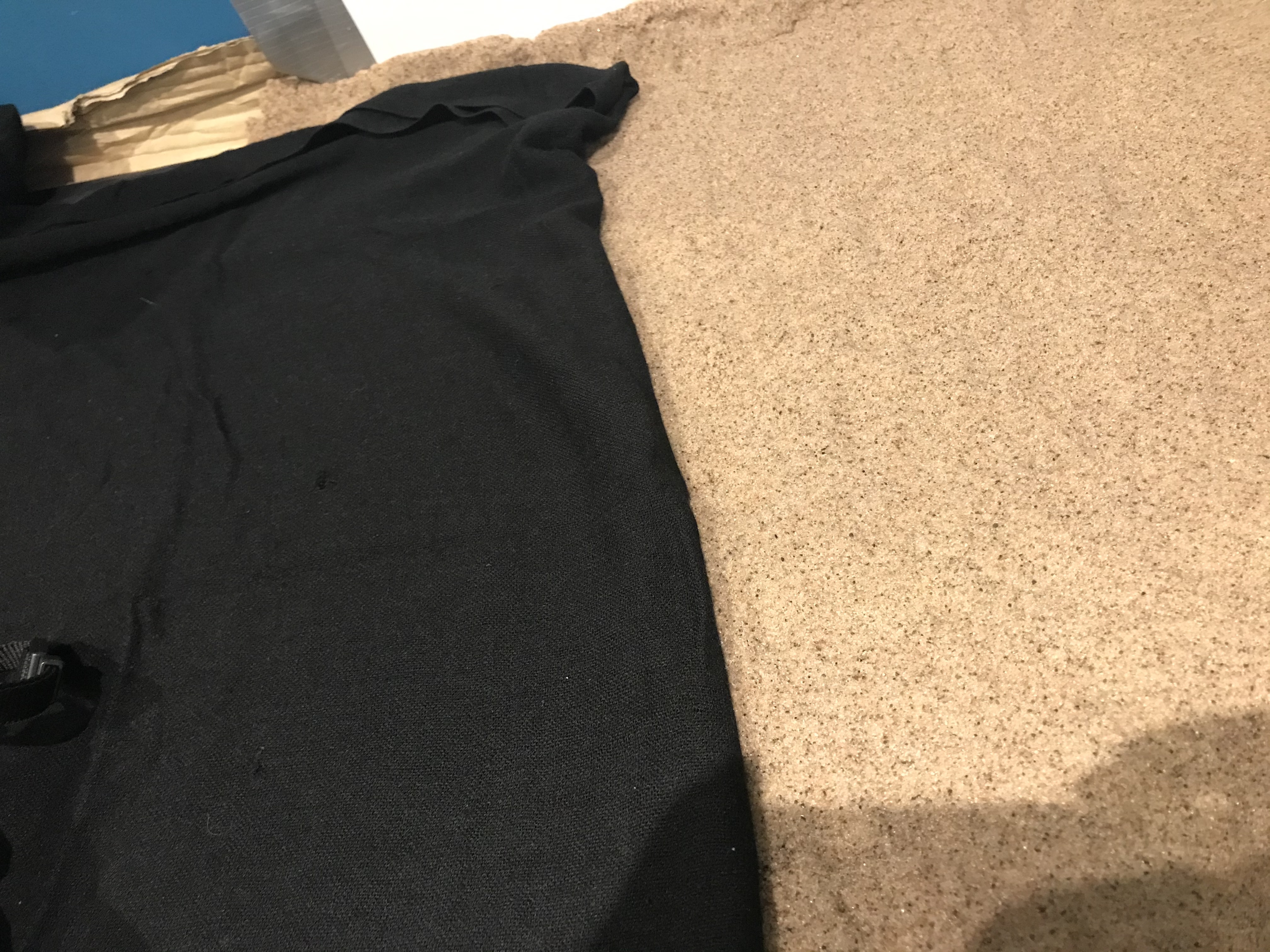
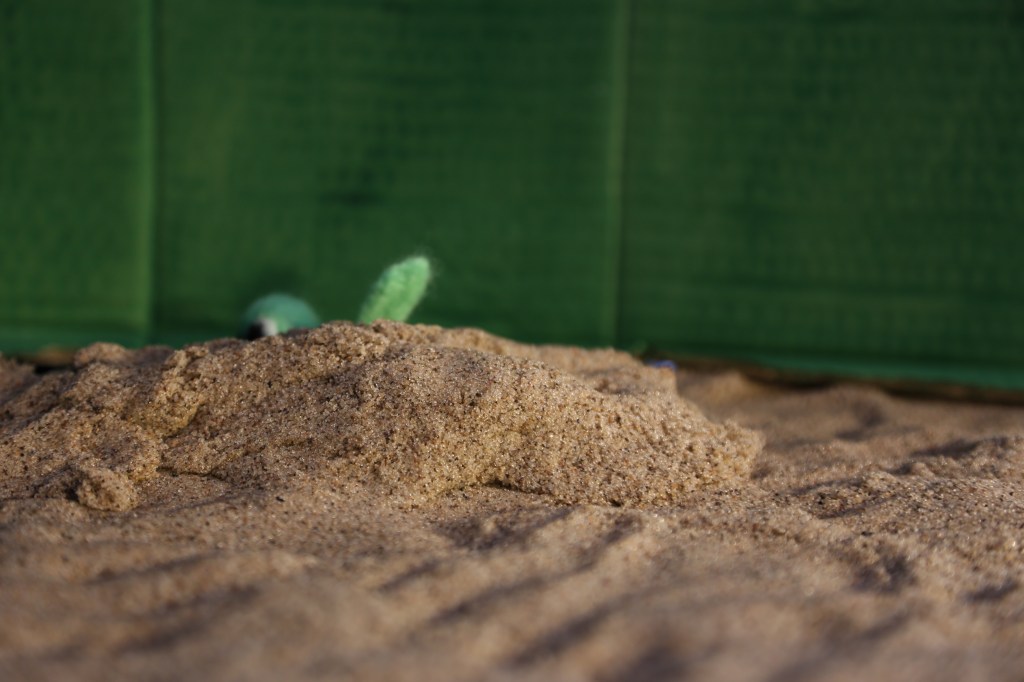
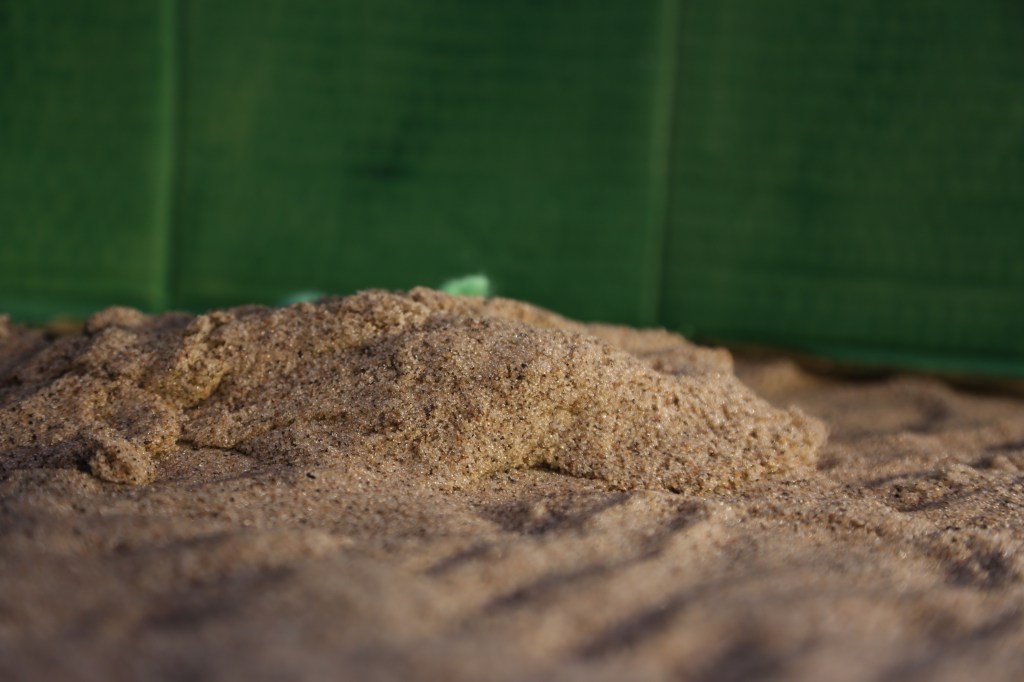
Fixing a slight problem with shooting a particular scene – Where i want the crab claw to emerge out of the sand slowly. I have fixed this issue with using a hole in a separate piece of cardboard with a cloth placed on top for the sand to be stable enough and placing a tripod underneath to wound up eventually creating a small sand dune from where the crab can emerge from.

Development

  • Turtles
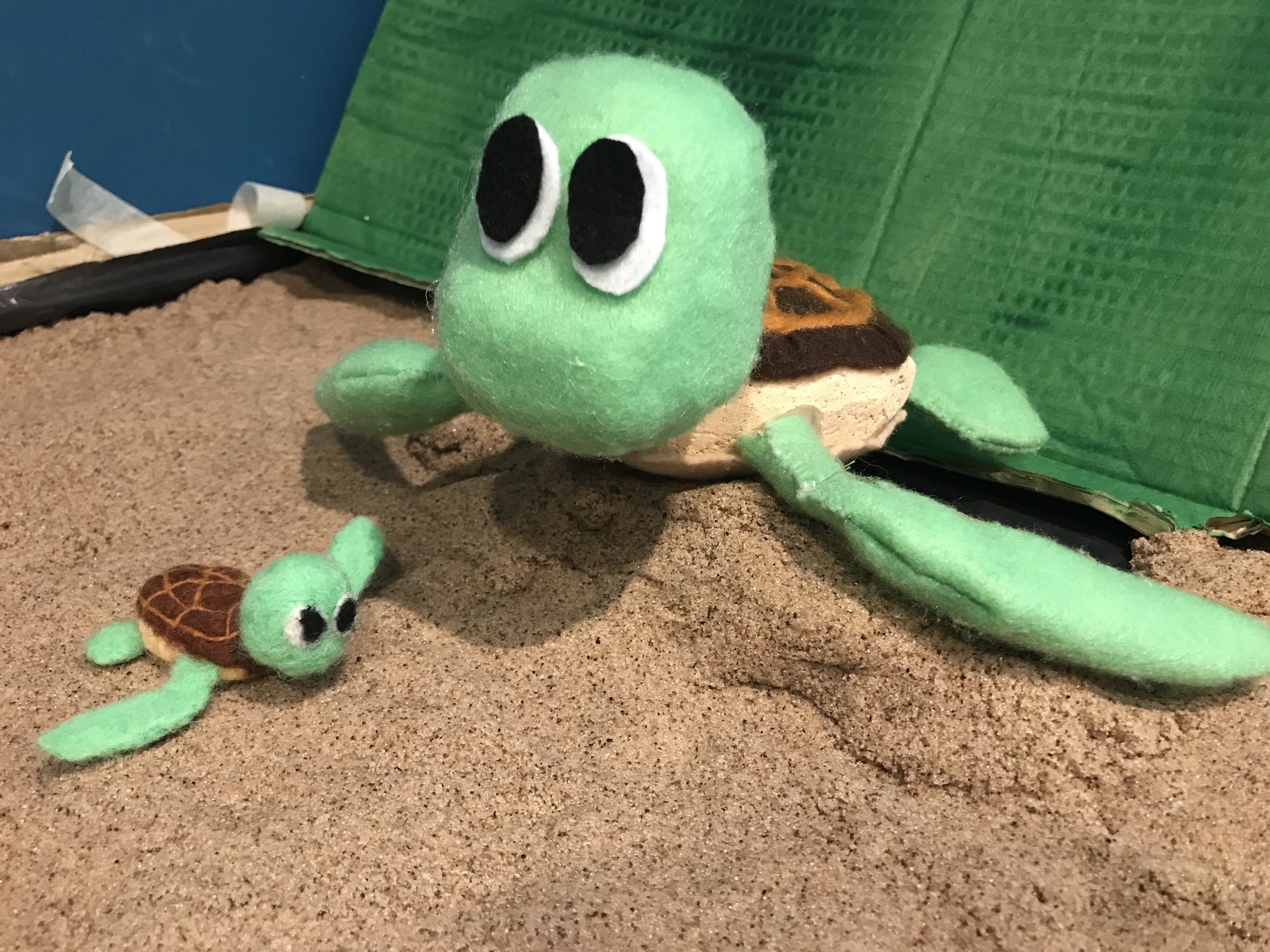
    • Baby turtle/ smaller scale turtle
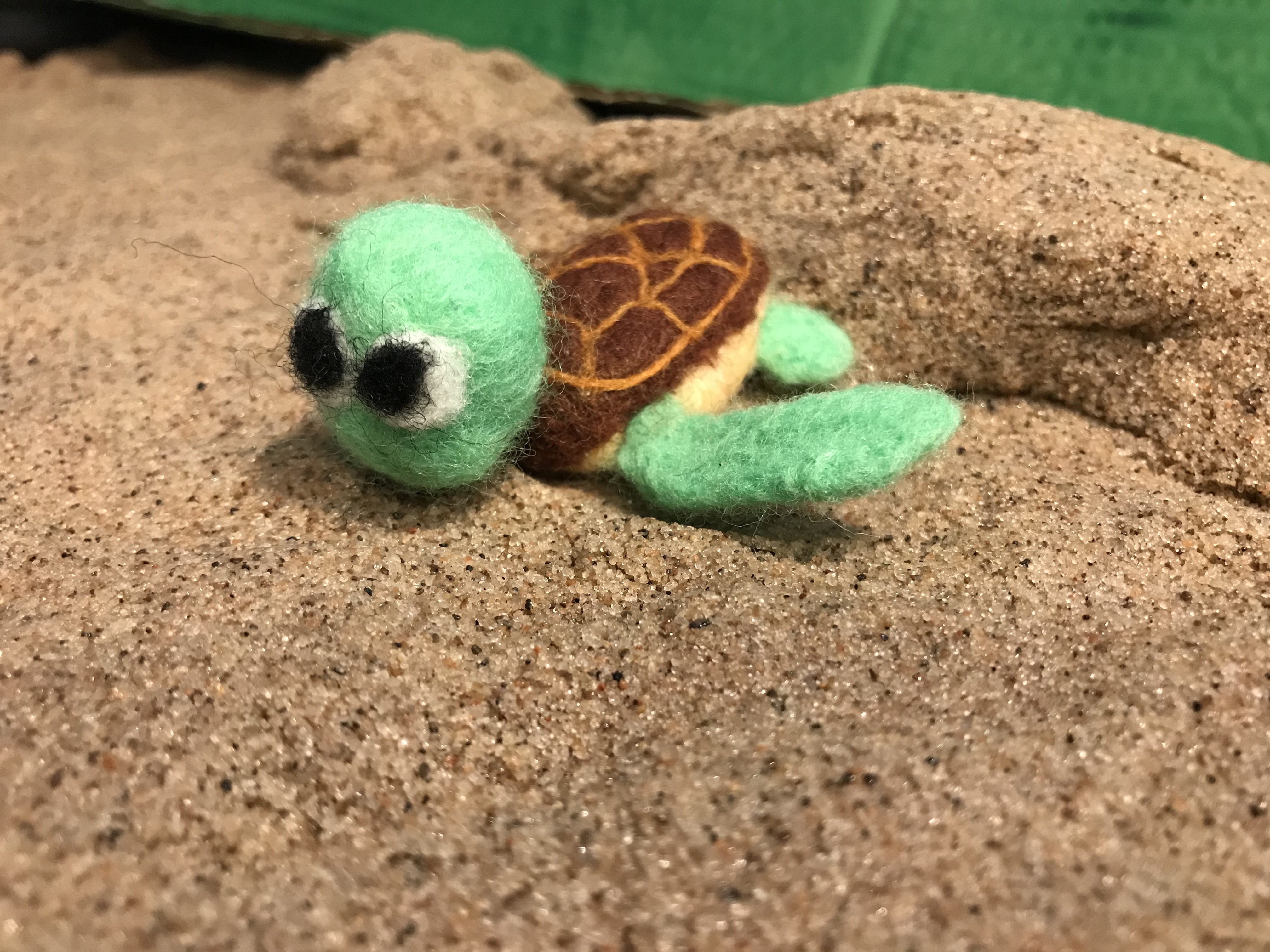
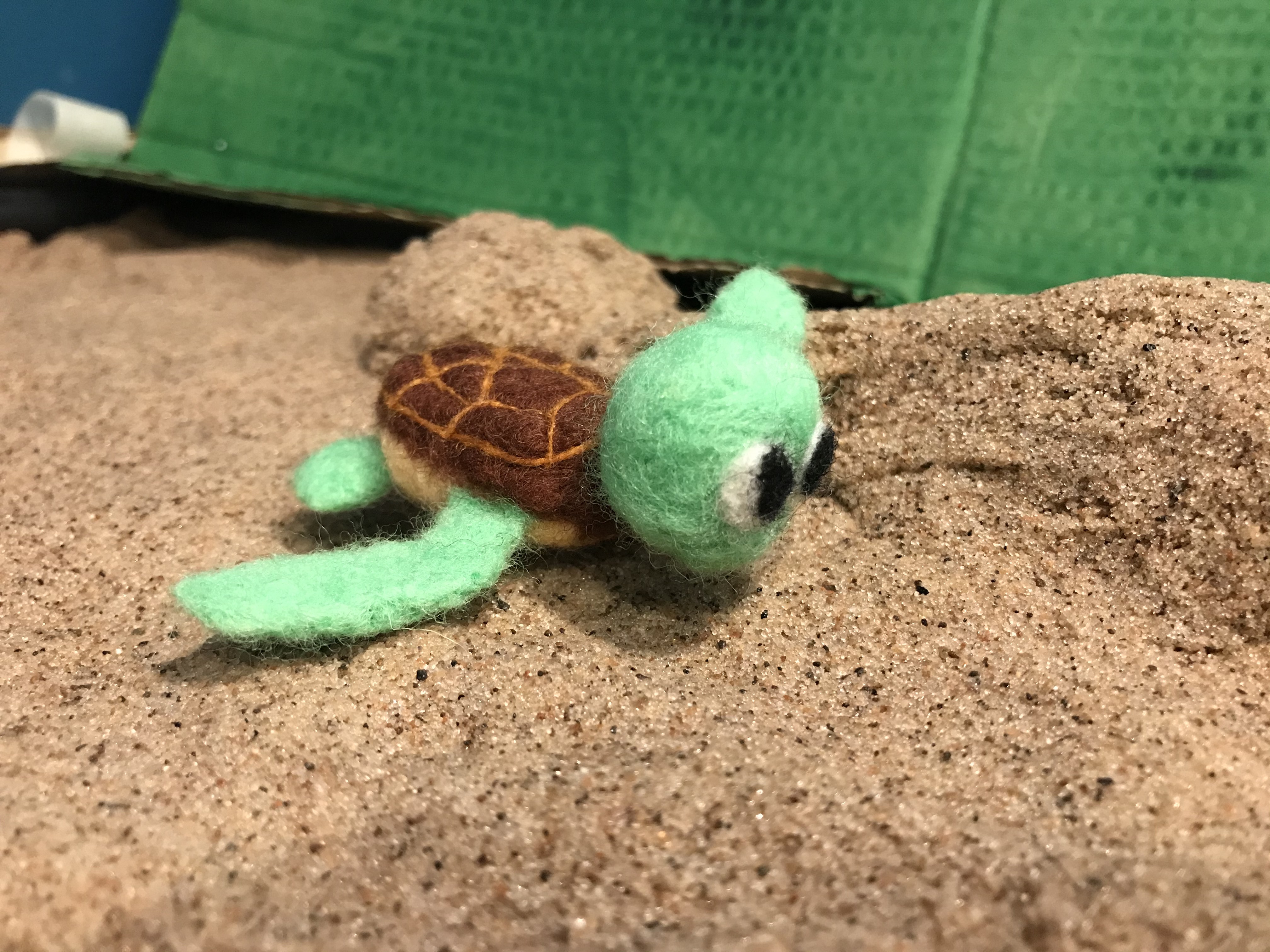
      • Made this for the sole use for those longer and wide shots to really emphasise the how big the beach is in comparison and to show the audience how small the character really is and to gain more sympathy from the audience as they see how tiny and small the character is compared to its obstacles and predators that it already has to face.
      • I made the smaller turtle using needle felt. It is still animatable to work with even though it will be seen from a distance.
    • I had also created an eye library and a mouth library to create the expressions for the turtle.

  • Crab claw

  • Vulture (bird) legs

  • Setting/ landscape
    • Sand
      • I managed to get some kinetic sand – as this is not as fluid and quite stiff therefore holds its place quite well without all the fuss of keeping it all in one place, yet still fluid enough to animate with.
  • Water – ocean
      • For the ocean I had decided against using any liquids, such as gels, as I didn’t want to get the sand wet or to ruin the puppets and to mainly stick with the aesthetics of a fabric based setting and film.
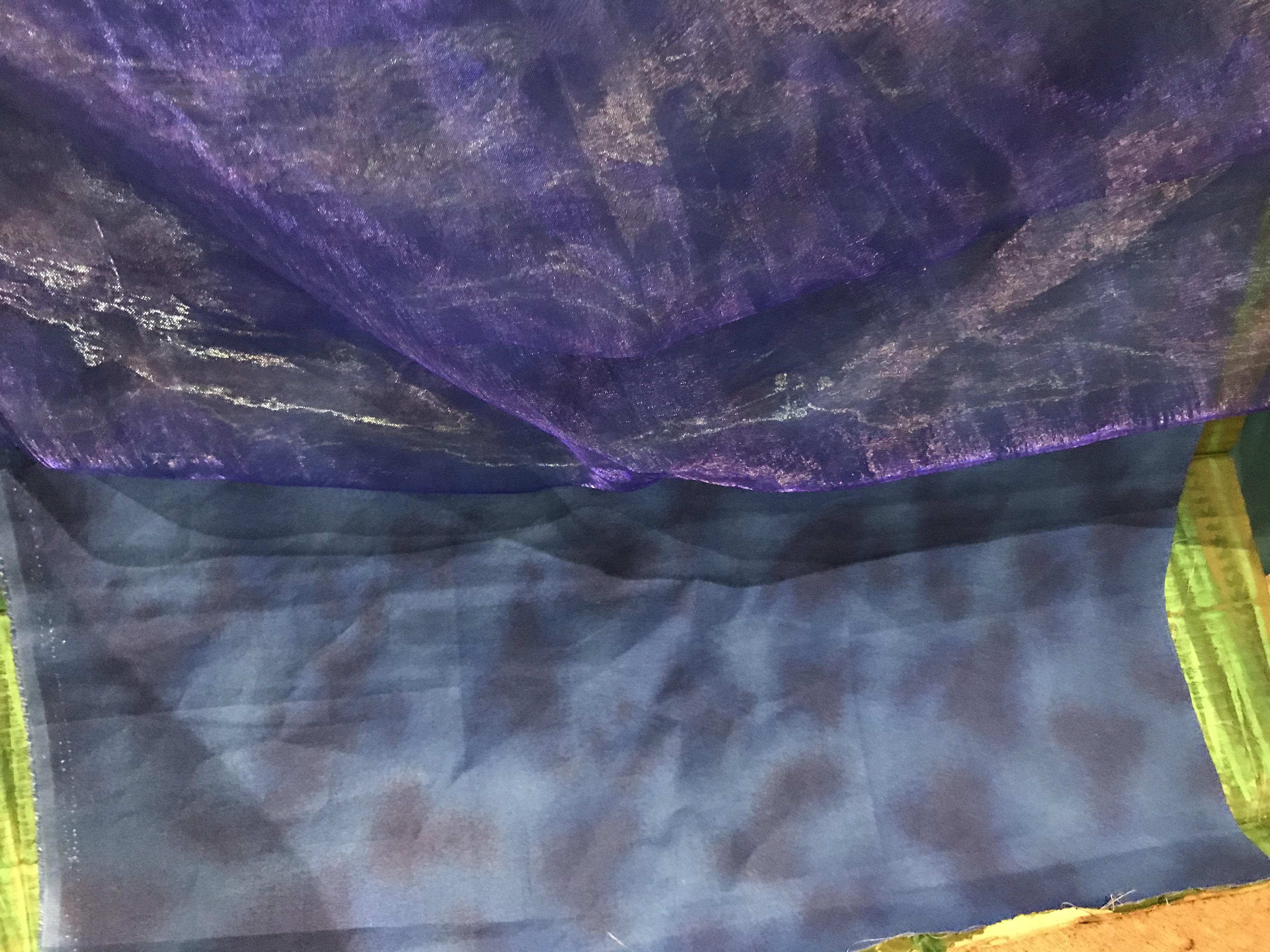
      • I had decided to go with blue pieces of fabric – a light blue cotton fabric underneath with a dark blue mesh material on top, which reflects light off of it – this helps to mimc the way light often reflects of the water in the ocean.
        • For the beach scenes I used a light blue sheet under the mesh material and for the underwater scenes I used a dark blue tie dyed fabric underneath the blue mesh instead.
        • Also for the oil spill I had experimented with using a black bin bag, however opted for a black cloth instead.
  • Greenery/ backdrop
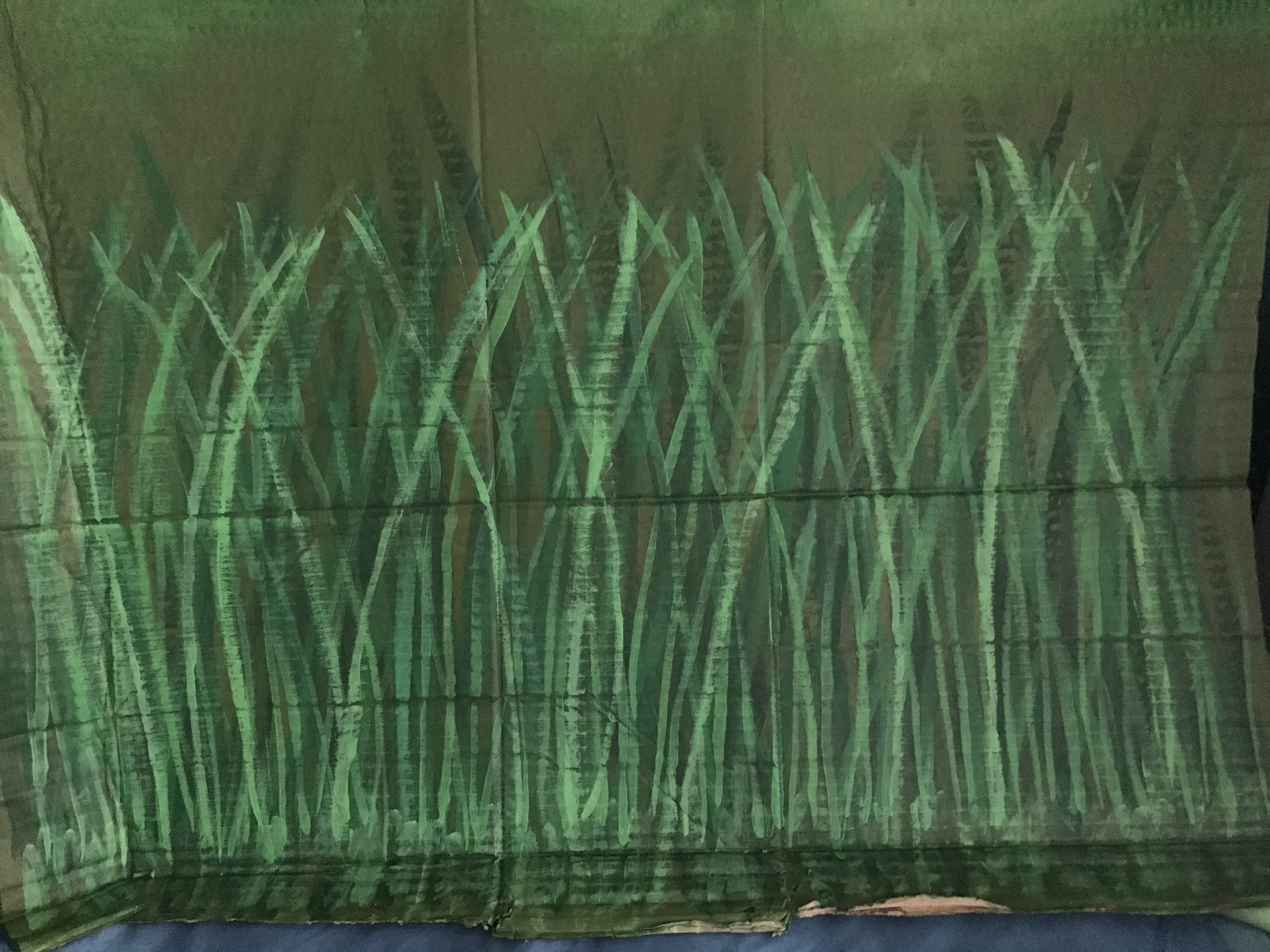
      • Realising I needed a backdrop to show the back of the beach which is usually some greenery/ bushes/ long grass.
      • Painted some long grass on a wide piece of card board.
  • Sky
    • Using a white sheet hung up and taped on the wall and also using different coloured light gels to create a sunset sort of sky and atmosphere – this has also helped to determine the time of day this film occurs during – which is just after or during sunrise, as it will add a very warm and cozy tone to the film.

Workshop 1: Storyworld Exploration

  • Most dramatic part:
    • When the vulture attacks but the drama stays present throughout
    • The vulture swooping down and then feeling like it safe at last in the sea but then it encounters much worse in the sea
    • Most dramatic part – when the turtle dies/ its sad death
    • When the character thinks that he is safe in the ocean but finds that the horror just begins there
  • Key words:
    • Environment, nature, pollution, surviving, human factor, cycle of life, disrupted by human kind, survival, suffering, destruction, death, sadness, loss, hope, denial, grief
  • Needs and wants:
    • Safety, clean environment, breathing, surviving, security
    • Physiological? – water, survival
    • Survival, food, happiness, life
    • To explore, food, help, a good environment, survival skills, to learn fast about the real world

  • Contrast between scenes – in the beginning its bright, happy, full of life, very cute and adorable, then the turtle gets attacked and it goes a bit dark and tense, but then it manages to go to the water and there everything is colourful, nice, free and then trash starts to appear and the ocean grows dark and BAM dead!
  • Cute wholesome baby turtle, tense-ness with the vulture, we fear for the baby, finally makes it to the sea!! Happiness, aquatic, splish splash, happiness playing with fishy friends, sense of dread when theres even more negative encounters in the sea, curse humans and your pollution, baby turtle ends up struggling to survive, we want it to keep fighting and persevere but sadness at it dying.
  • A feeling of grief and disappointment of humans causing the pollution in oceans and spreading death, braking the natural circle of life and death in nature
  • Turtles feelings: happiness, fear, then overjoy by the view inside the ocean, confusion, panic and finally suffering